
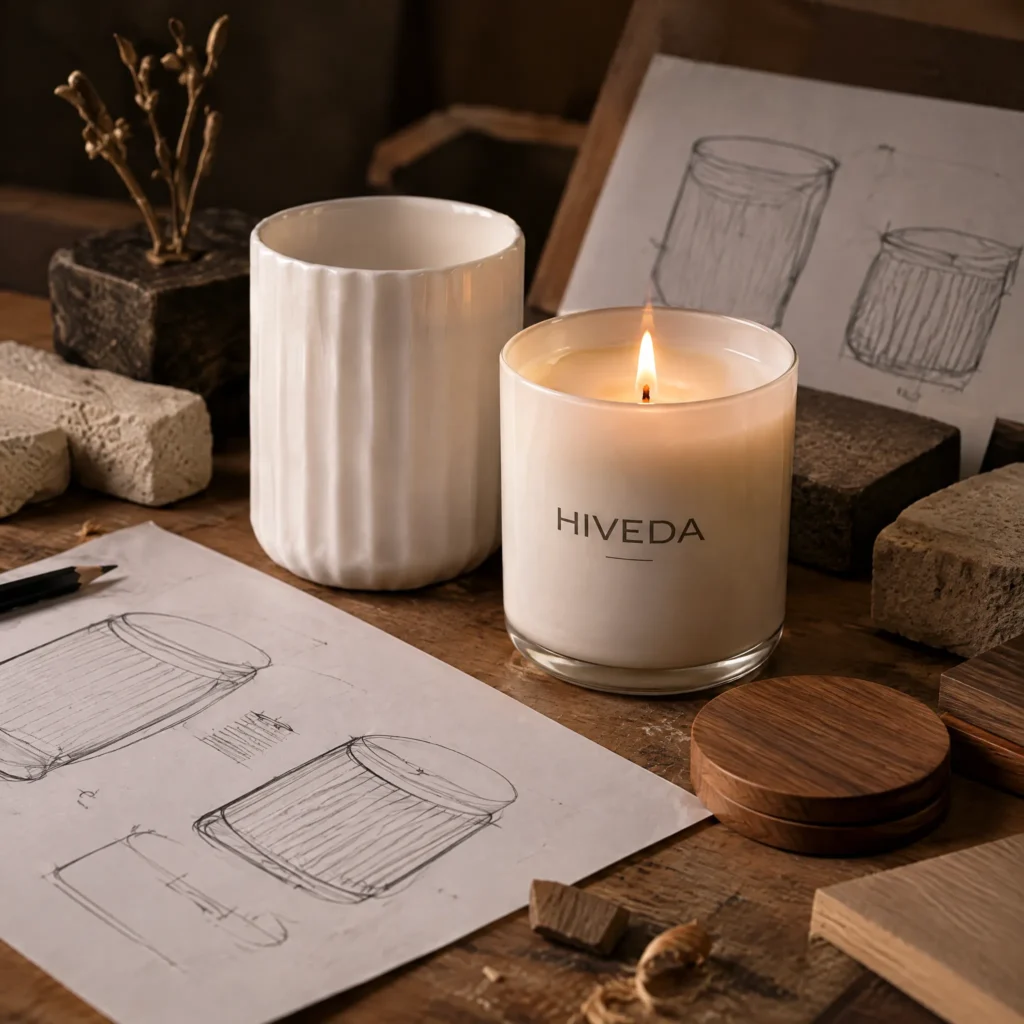
Glass or Ceramic? Choose the Right Vessel Direction
—
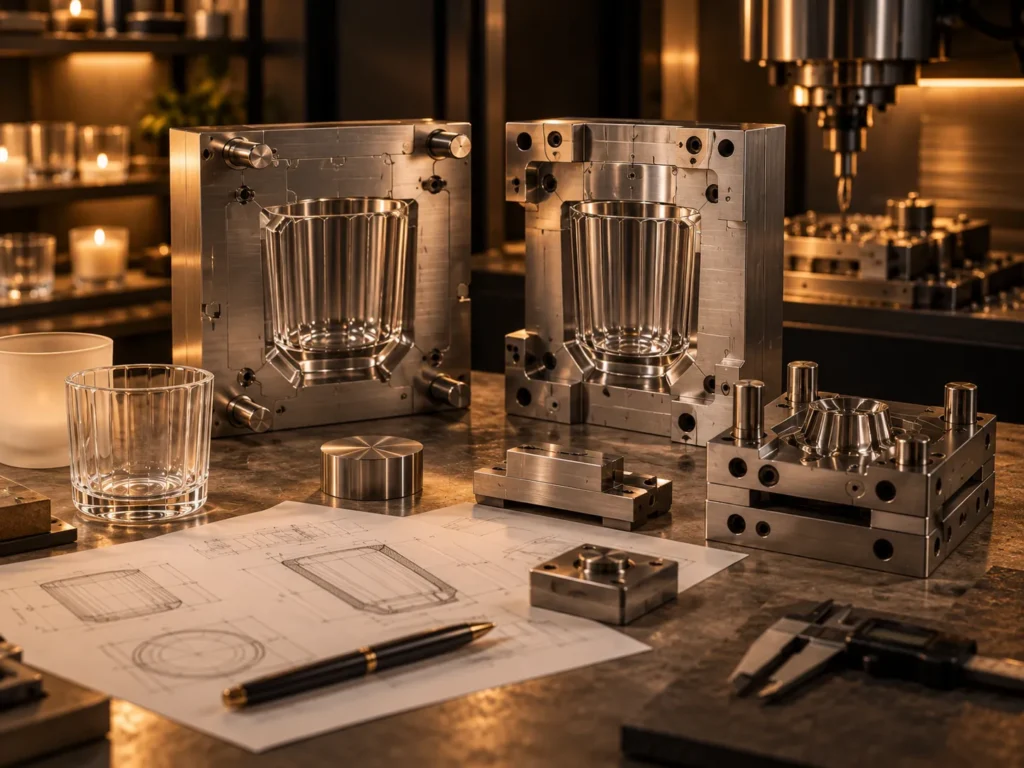
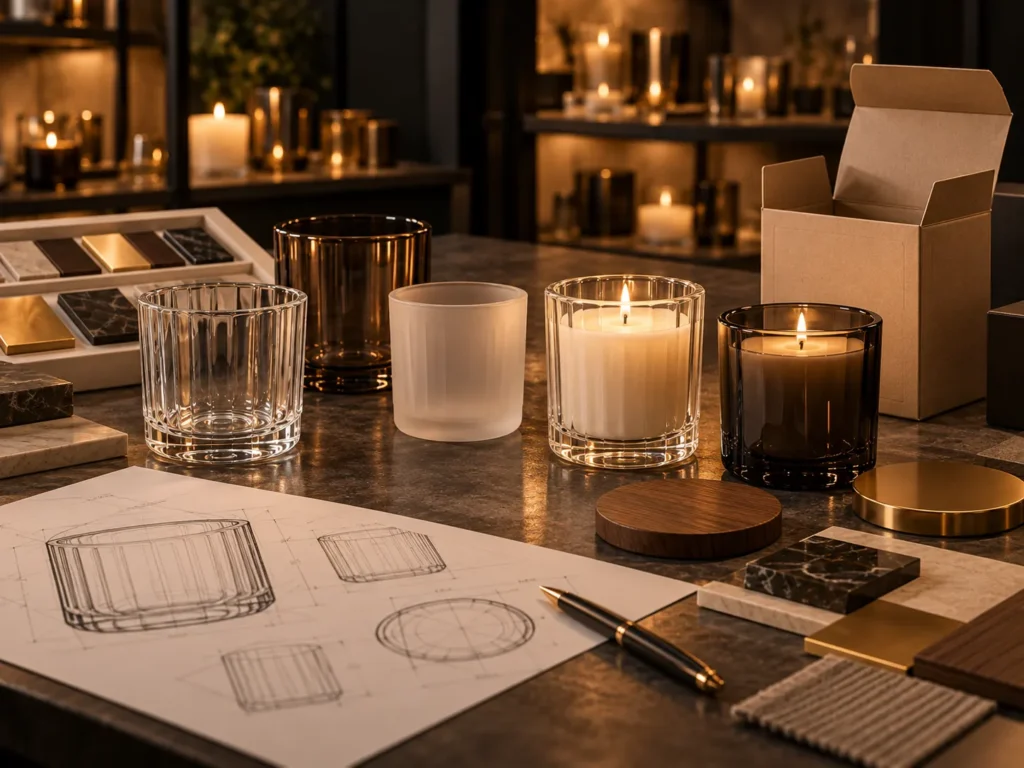
Material direction should be confirmed before tooling because vessel material and structure affect mold development, sampling and the production route.
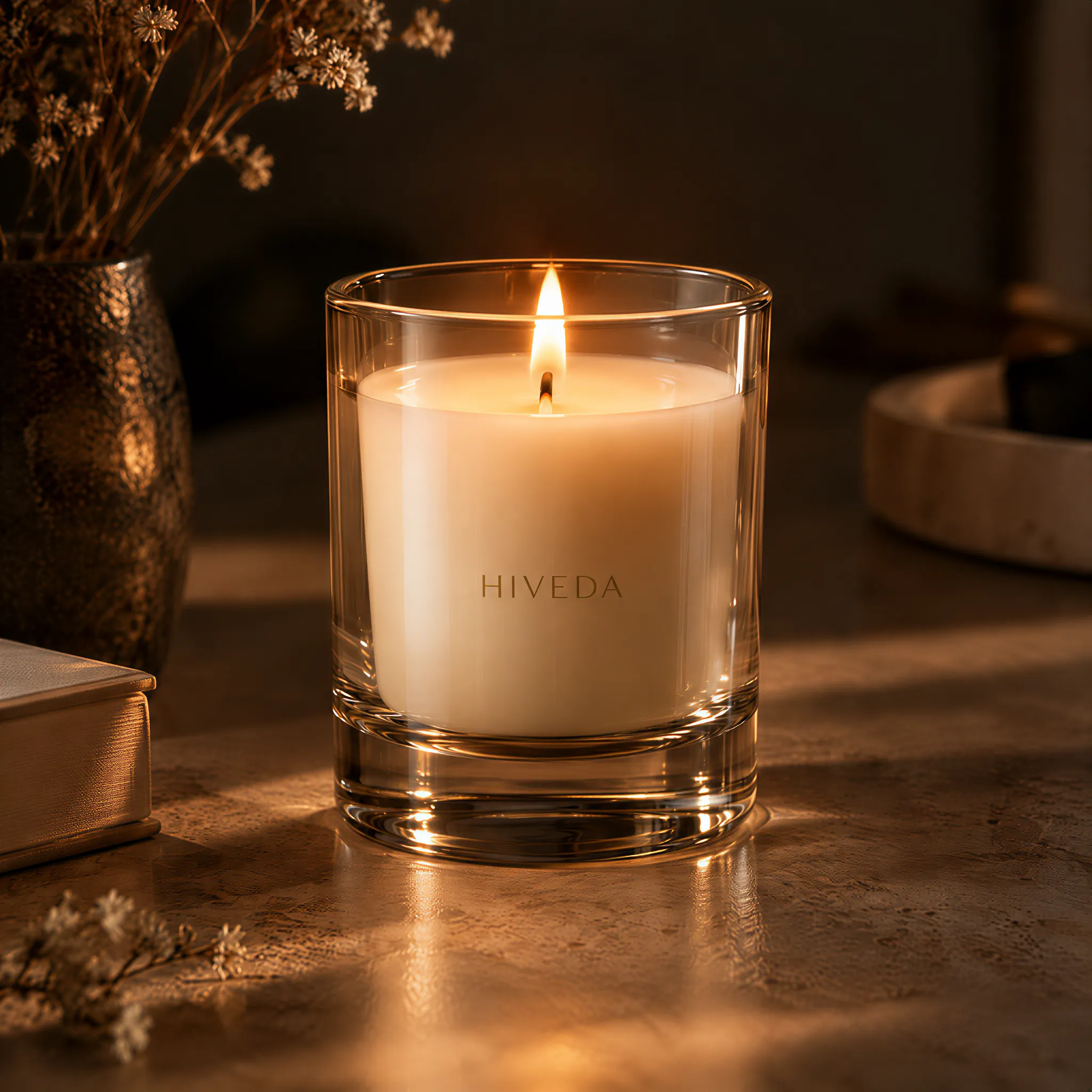
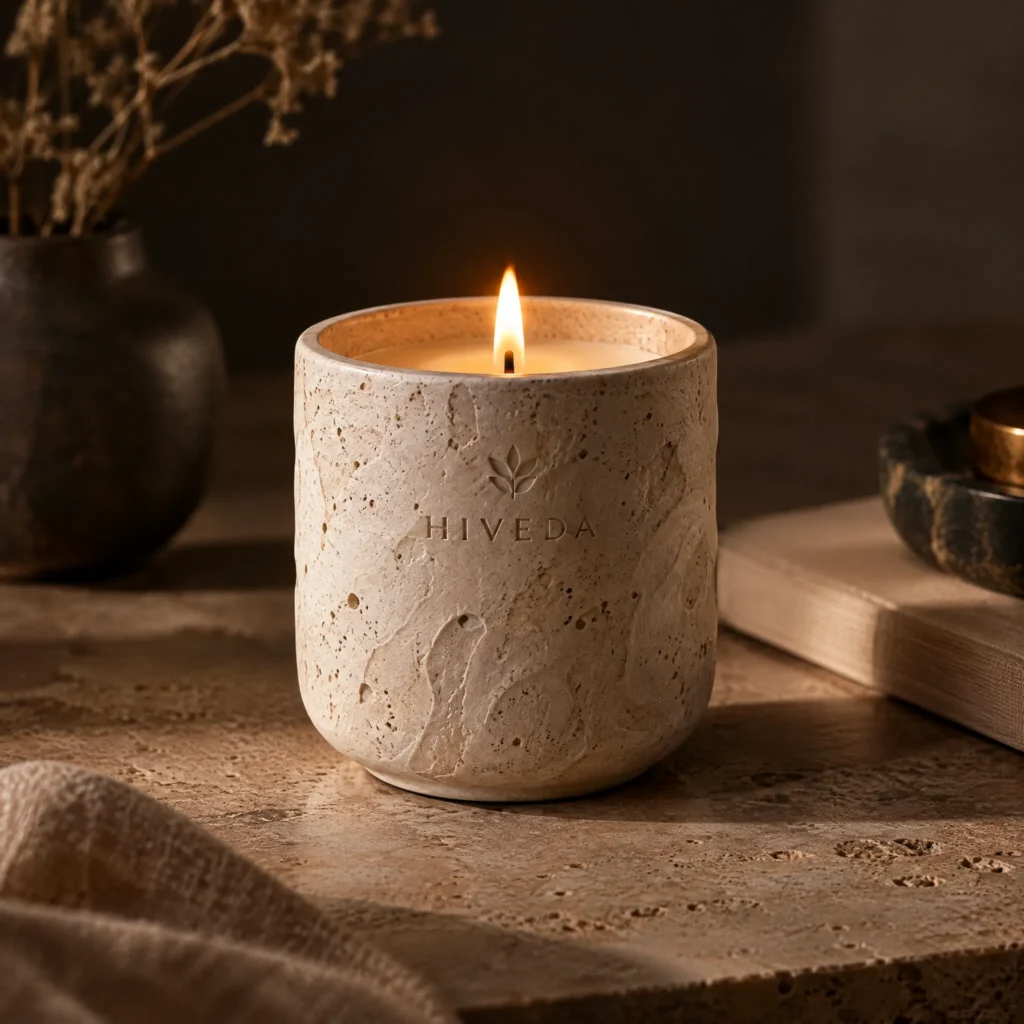
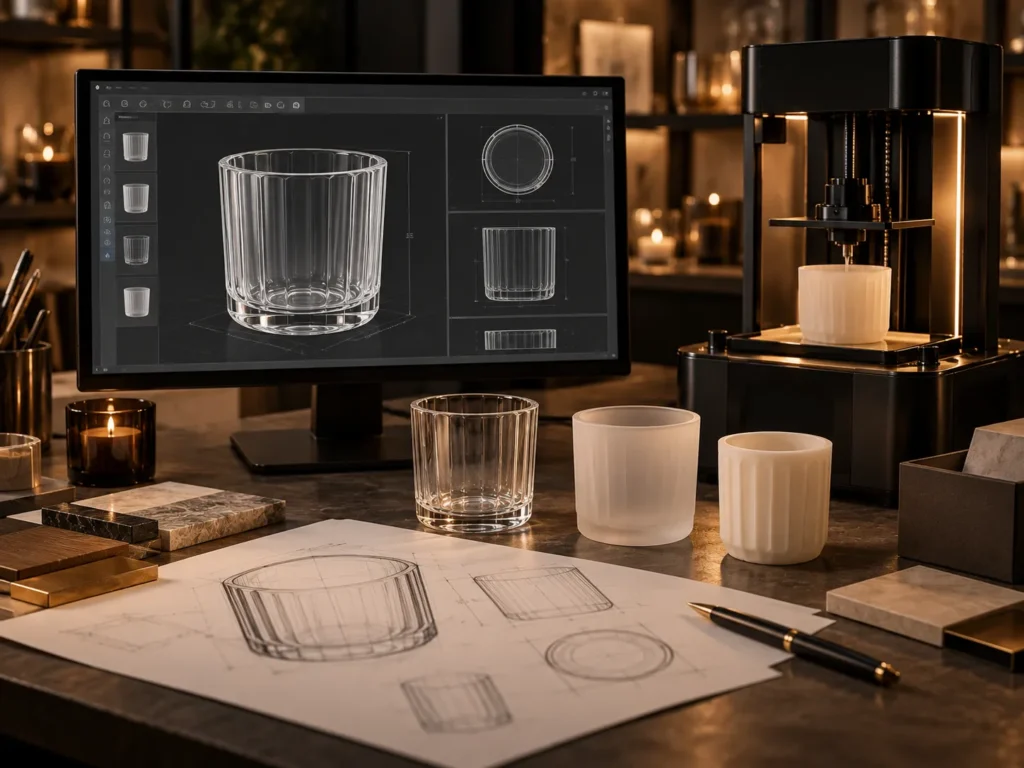
01 Fragrance Direction
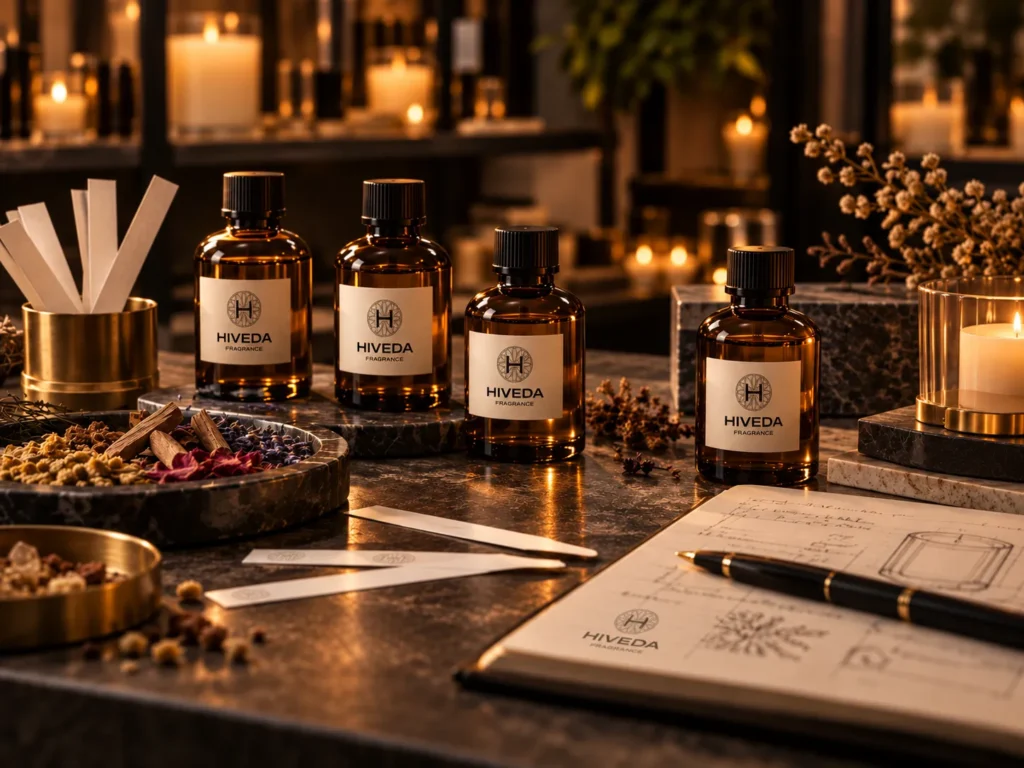
Define the fragrance direction according to the brand concept, target market and intended candle experience.
02 Wax & Wick Compatibility
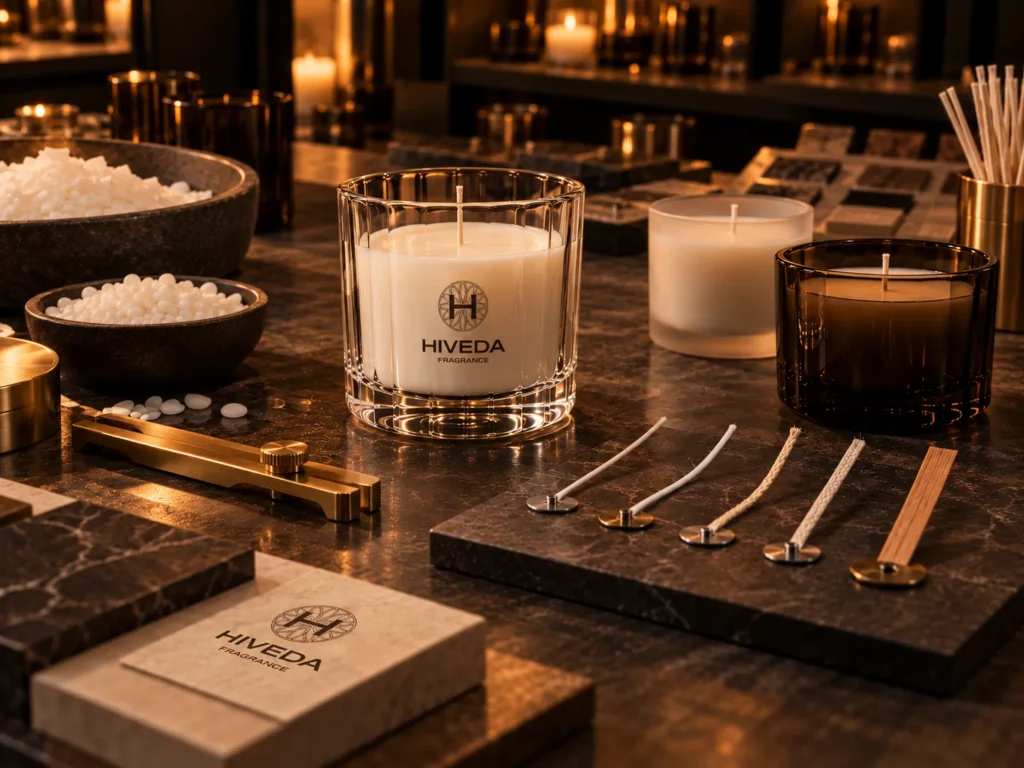
The wax, wick and fragrance need to be considered together with the bespoke vessel dimensions and finished candle configuration.
03 Filling & Production
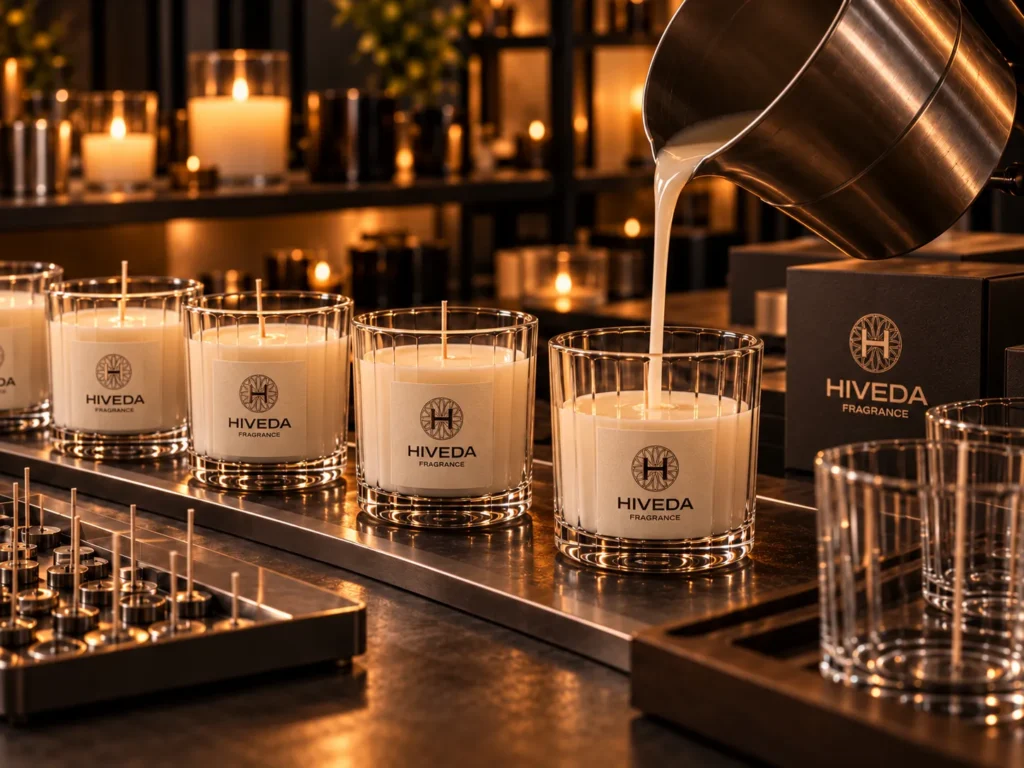
Once the vessel and candle specification are confirmed, filling, assembly and production can be coordinated according to the approved project requirements.
04 Packaging & Final Assembly
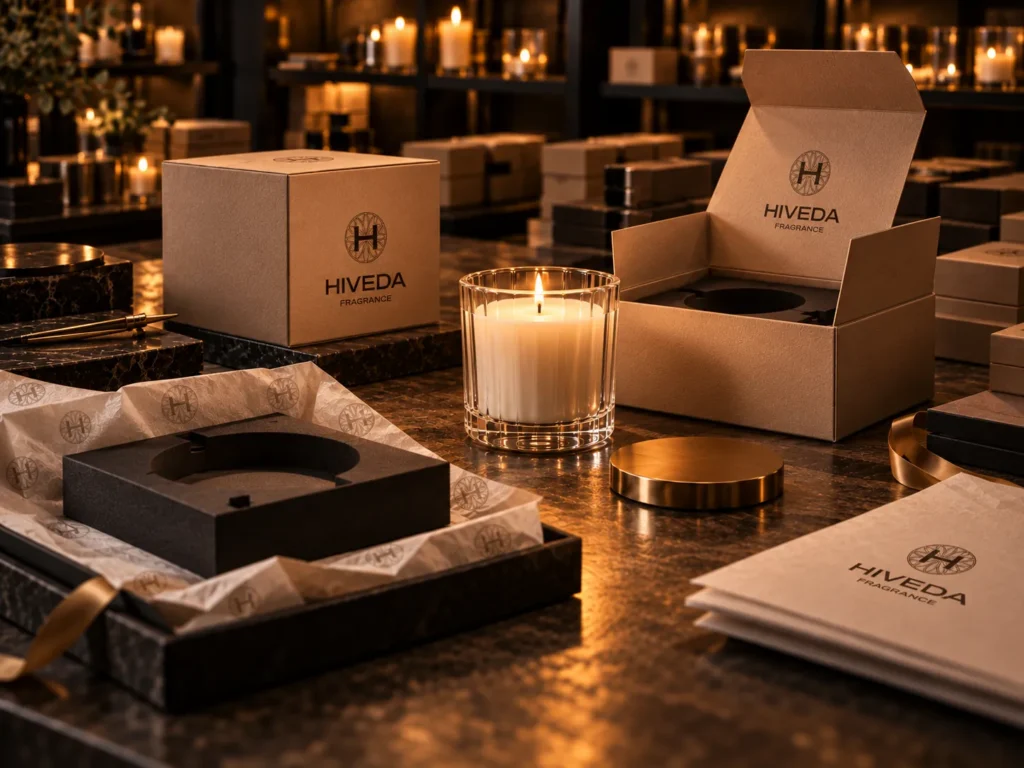
Packaging, inserts and protective structures are developed around the final vessel, followed by assembly, quality control and export preparation according to the agreed scope.
FAQ
Frequently Asked Questions
Have questions about bespoke candle development? Here are some common answers.
1. What is a bespoke scented candle?
A bespoke scented candle is developed around a new product concept rather than simply adapting an existing candle jar. The project may involve a newly developed vessel shape, dimensions, structural details, tooling, lid or supporting components, packaging, fragrance, filling and final production coordination.
2. What is the difference between Ready Design and Bespoke candle development?
Ready Design starts with an existing candle vessel and focuses on adapting elements such as color, decoration, branding, fragrance and packaging. Bespoke development starts when the project requires a new vessel shape, structure or mold. It involves a deeper development process that may include 3D modeling, prototyping, tooling and physical sample validation before production. Explore Ready Design Scented Candles →
3. Can HIVEDA develop a candle vessel from a sketch or reference image?
Yes. You can share sketches, reference images, target dimensions, material preferences and other project requirements with us. We first review the design direction and manufacturing feasibility before moving into 3D modeling, prototyping or tooling. Some details may need to be adjusted so the final vessel can be produced consistently.
4. Can you develop both glass and ceramic candle vessels?
Yes. Bespoke candle projects can be developed in glass or ceramic depending on the intended shape, surface character, structural requirements, quantity and production route. The suitable manufacturing method should be evaluated before tooling because different materials and vessel structures require different development approaches.
5. Does a bespoke candle vessel always require a new mold?
Not always. A new mold is generally required when the intended vessel shape or structure does not already exist in available production tooling. If an existing vessel can achieve the required product direction, a Ready Design or partially customized route may be more efficient. We review the project first before recommending the appropriate development path.
6. How long does bespoke candle vessel development take?
The development timeline depends on the complexity of the vessel, material, tooling method and number of revisions. As a general reference, the core development stages may include: – 3D modeling and prototype evaluation: approximately 1–2 weeks; – Mold and tooling development: approximately 4–5 weeks; – Physical sample production: approximately 1–2 weeks. Additional time may be required for revisions, decoration, packaging, fragrance development and production preparation.
7. What determines the MOQ for a bespoke scented candle?
There is no single fixed MOQ for every bespoke candle project. The final MOQ depends on factors such as:
– Vessel material and production method
– Mold and tooling requirements
– Decoration and finishing
– Fragrance and filling configuration
– Packaging structure
– Number of SKUs and shared components
Once these elements are defined, we can evaluate the appropriate production quantity for the project.
8. What happens after the bespoke vessel sample is approved?
After the vessel is approved, the project can move into the remaining finished-product development stages according to the agreed scope. This may include fragrance confirmation, wax and wick configuration, filling, decoration, packaging production, assembly, quality control and export preparation. The goal is not only to create a custom vessel, but to turn it into a production-ready scented candle.