

Perfume Packaging
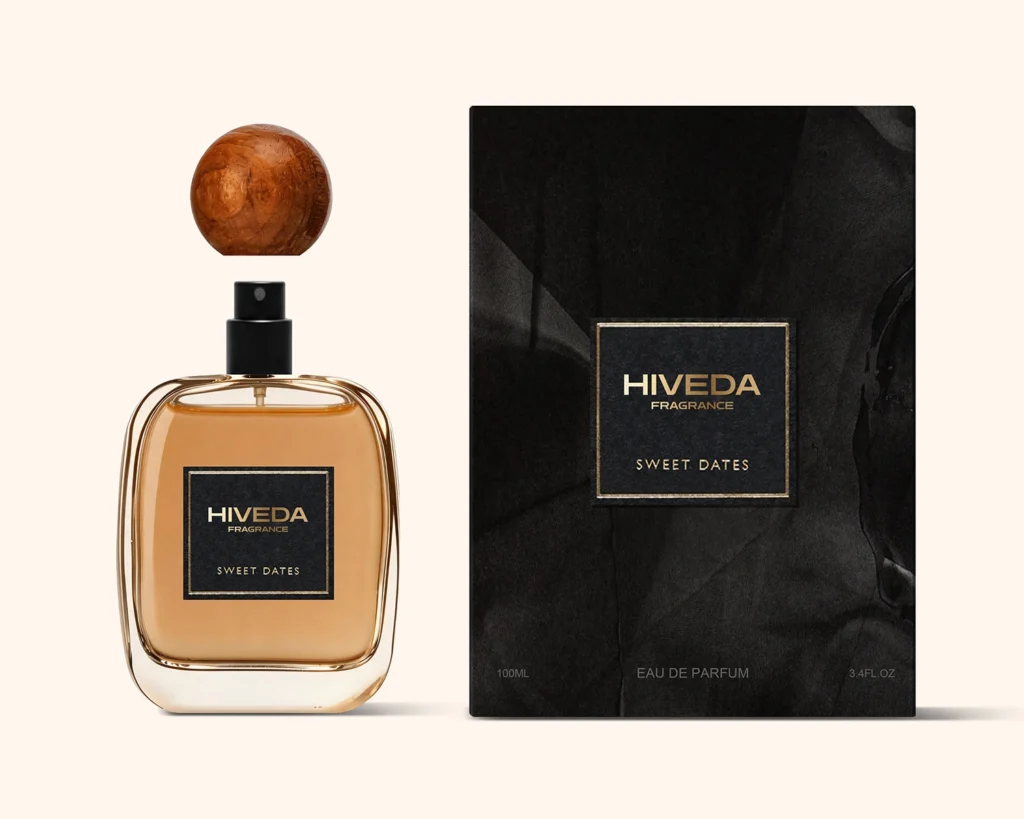
- 01 Cap
- 02 Pump
- 03 Collar
- 04 Glass Bottle
- 05 Label / Decoration
- 06 Insert
- 07 Folding Carton
- 08 Transport Carton
A perfume project should be reviewed as a complete packaging configuration rather than evaluating the glass bottle alone.
Reed Diffuser Packaging
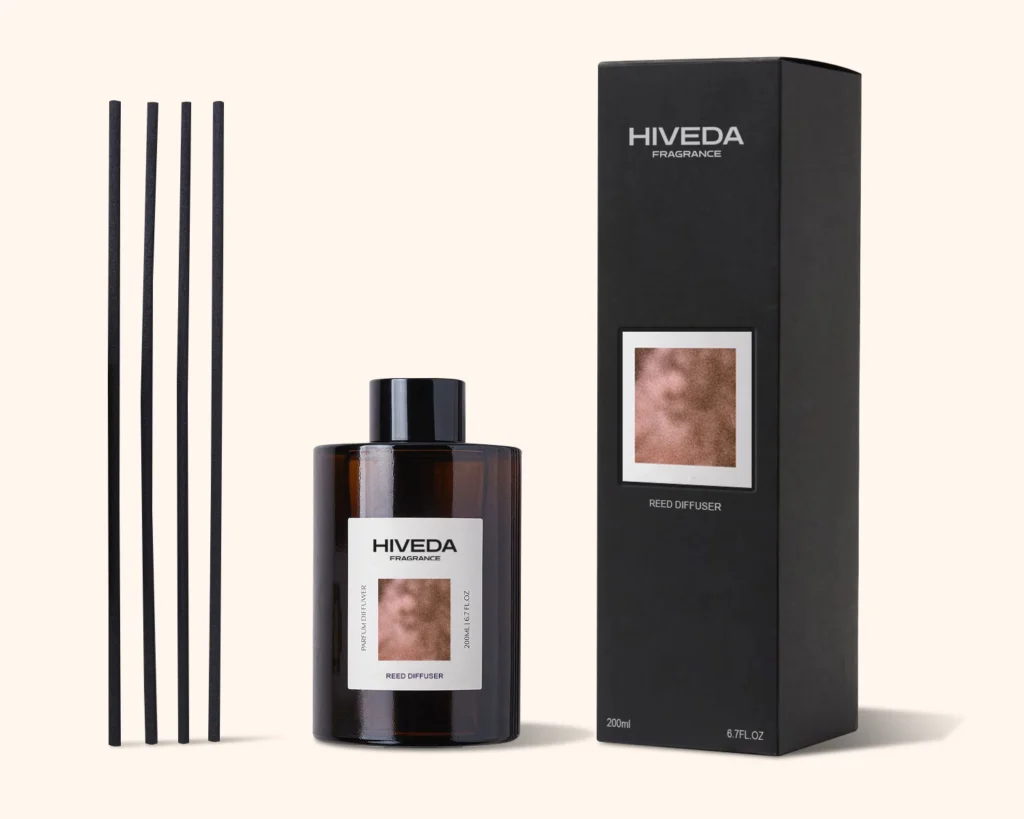
- 01 Cap
- 02 Plug / Stopper
- 03 Glass Bottle
- 04 Label / Decoration
- 05 Insert
- 06 Folding Carton
- 07 Transport Packaging
It should be reviewed according to the final diffuser configuration and how each component functions within the finished product.
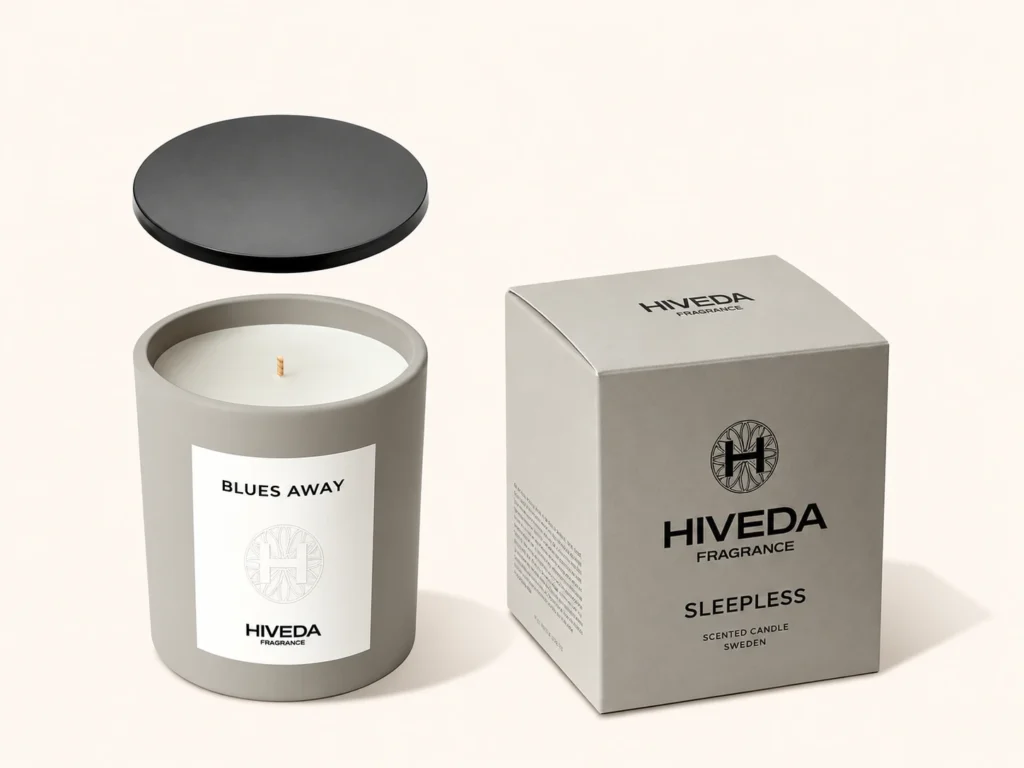
Scented Candle Packaging
- 01 Cap
- 02 Vessel
- 03 Collar
- 04 Label / Decoration
- 05 Insert
- 06 Folding Carton
- 07 Transport Carton
The outer carton, insert, protective materials, labels, and transport packaging should therefore be assessed separately.
01. Packaging Minimisation
Reduce What Is Not Needed
We review packaging dimensions, structural layers, inserts and component choices to identify opportunities to reduce unnecessary weight and volume. The aim is to create efficient packaging structures while preserving product protection, functionality and brand presentation.
02. Design for Recycling
Think Beyond a Recyclable Bottle
A recyclable bottle alone does not guarantee a recyclable packaging system. HIVEDA considers the interaction between materials, closures, labels, decorative finishes and secondary packaging during development, helping brands make more informed decisions before committing to production.
03. Component Mapping
Understand Every Component
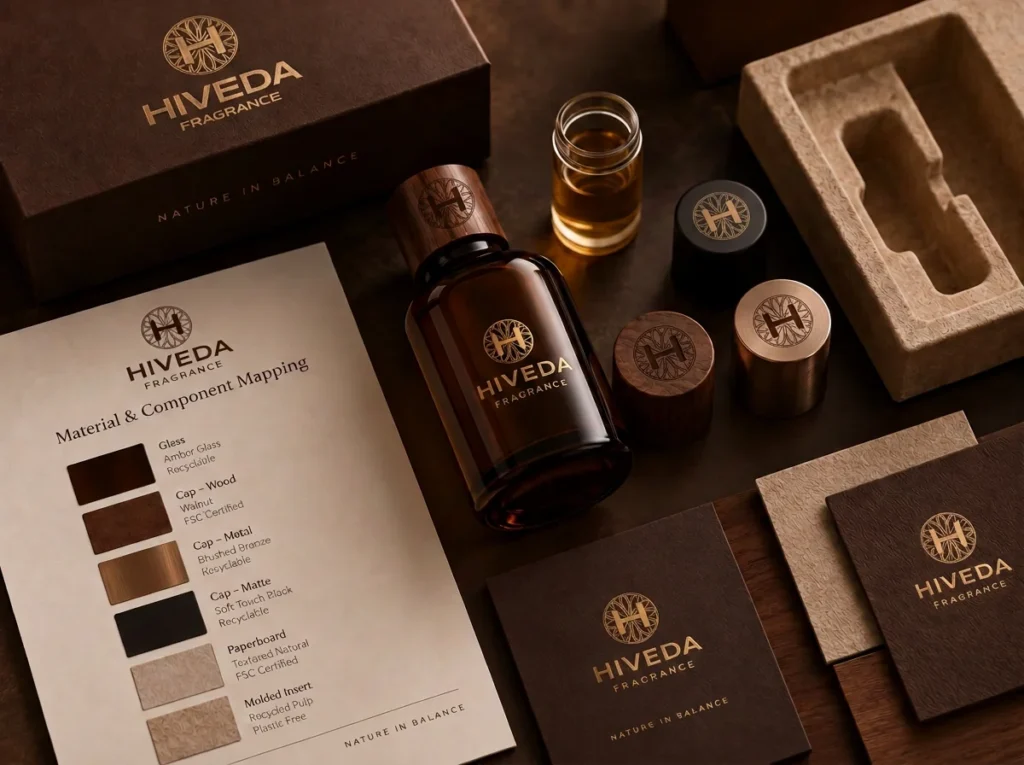
Effective packaging development starts with a clear understanding of every component. HIVEDA can coordinate material specifications, technical drawings and decoration details across multiple suppliers, providing brands with a clearer picture of their final packaging configuration.
04. Plastic Content
Recycled Plastic Options Where Applicable
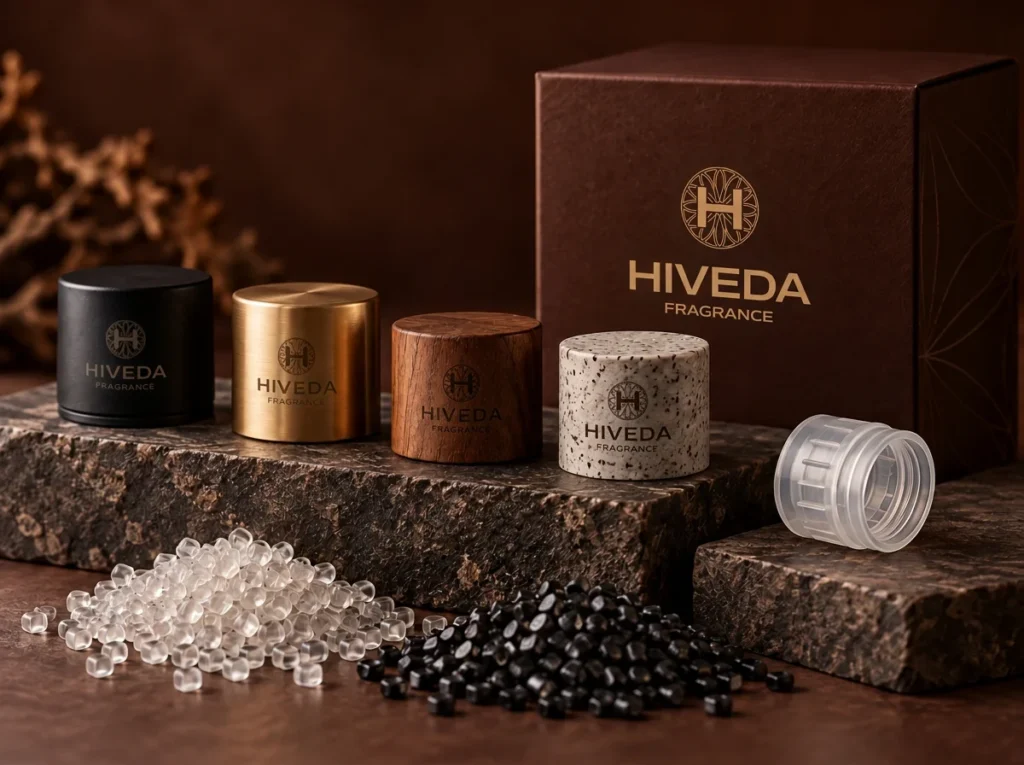
Where recycled content requirements apply, HIVEDA can explore suitable post-consumer recycled plastic options and coordinate relevant supplier information. Material selection takes into account the packaging configuration, functional requirements, availability and applicable regulatory criteria.
05. Technical Information
Build Evidence Alongside the Packaging
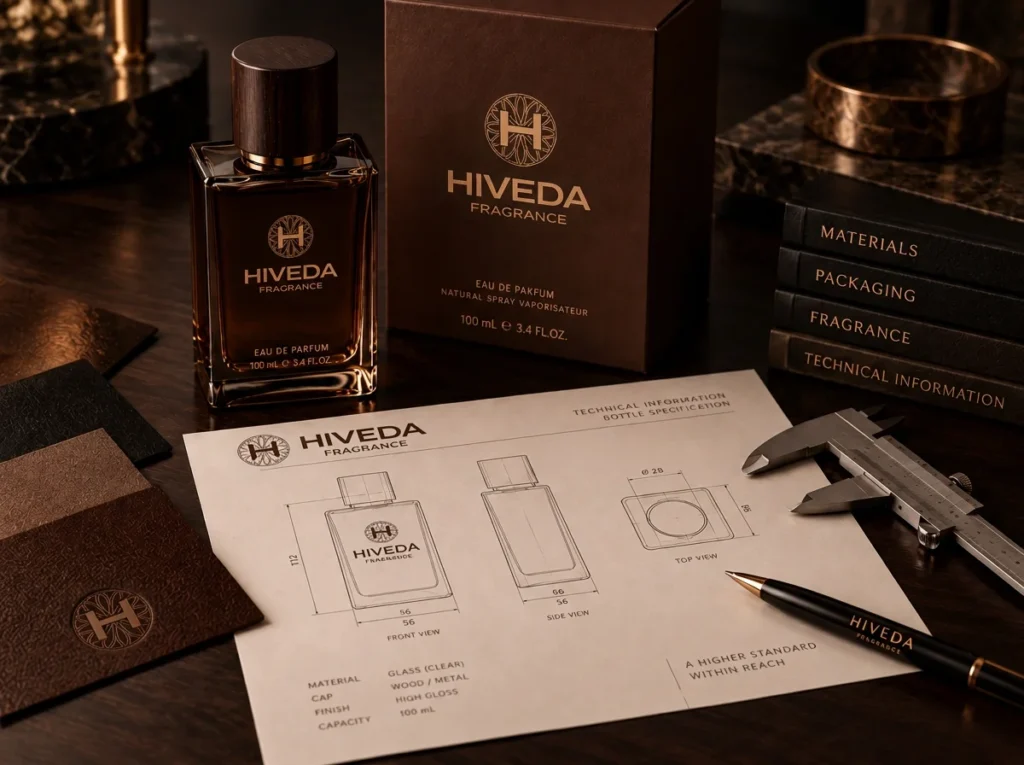
From material specifications and manufacturing drawings to relevant supplier declarations and testing records, HIVEDA helps coordinate project documentation to support the responsible economic assessment.
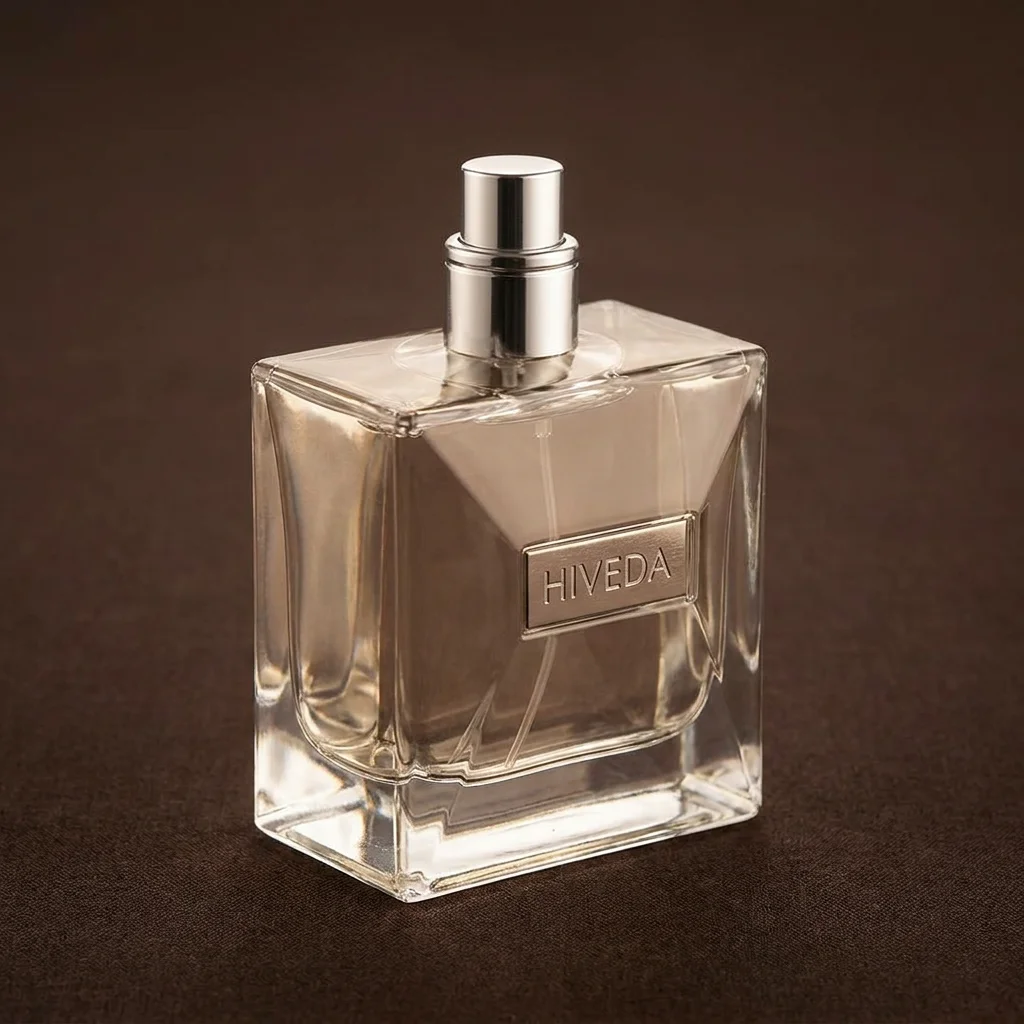
Glass bottles
Different shapes, weights and decoration options
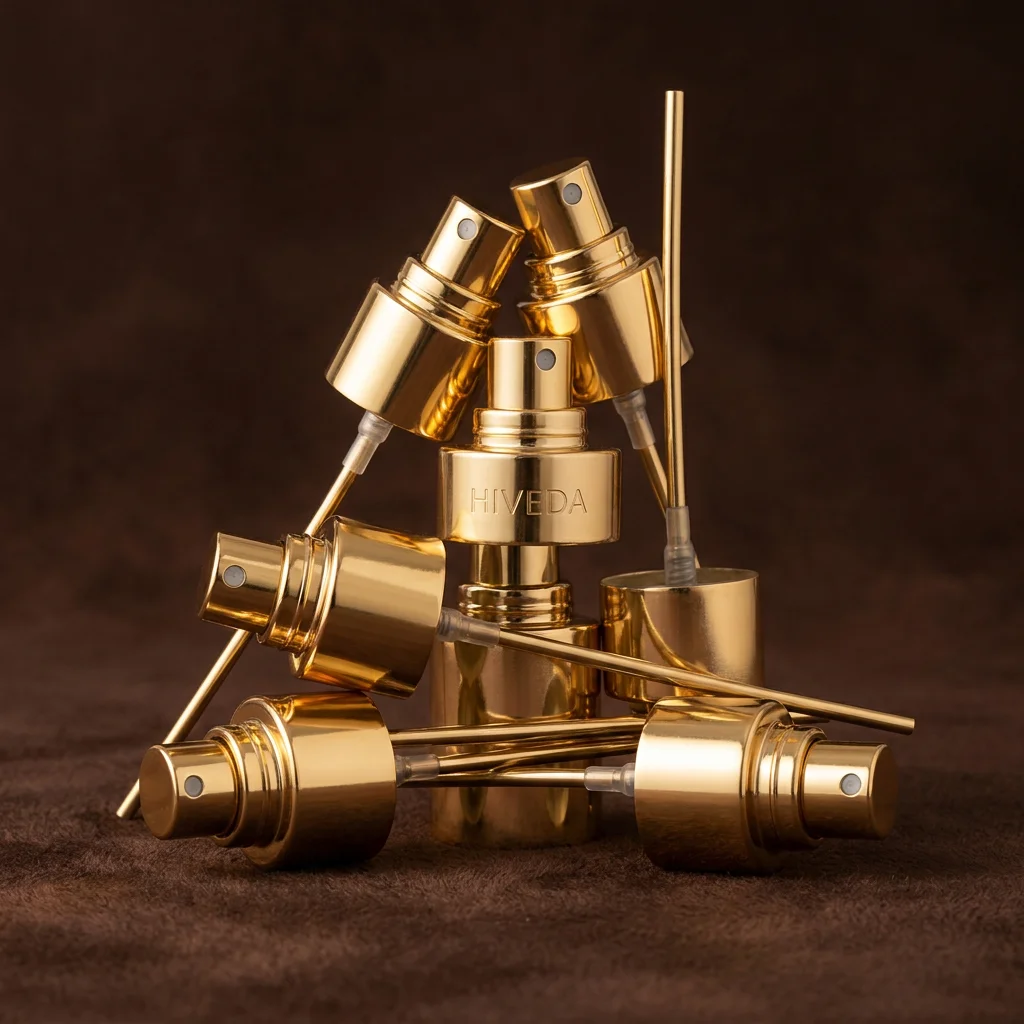
Pumps & Collars
Various structures and material choices
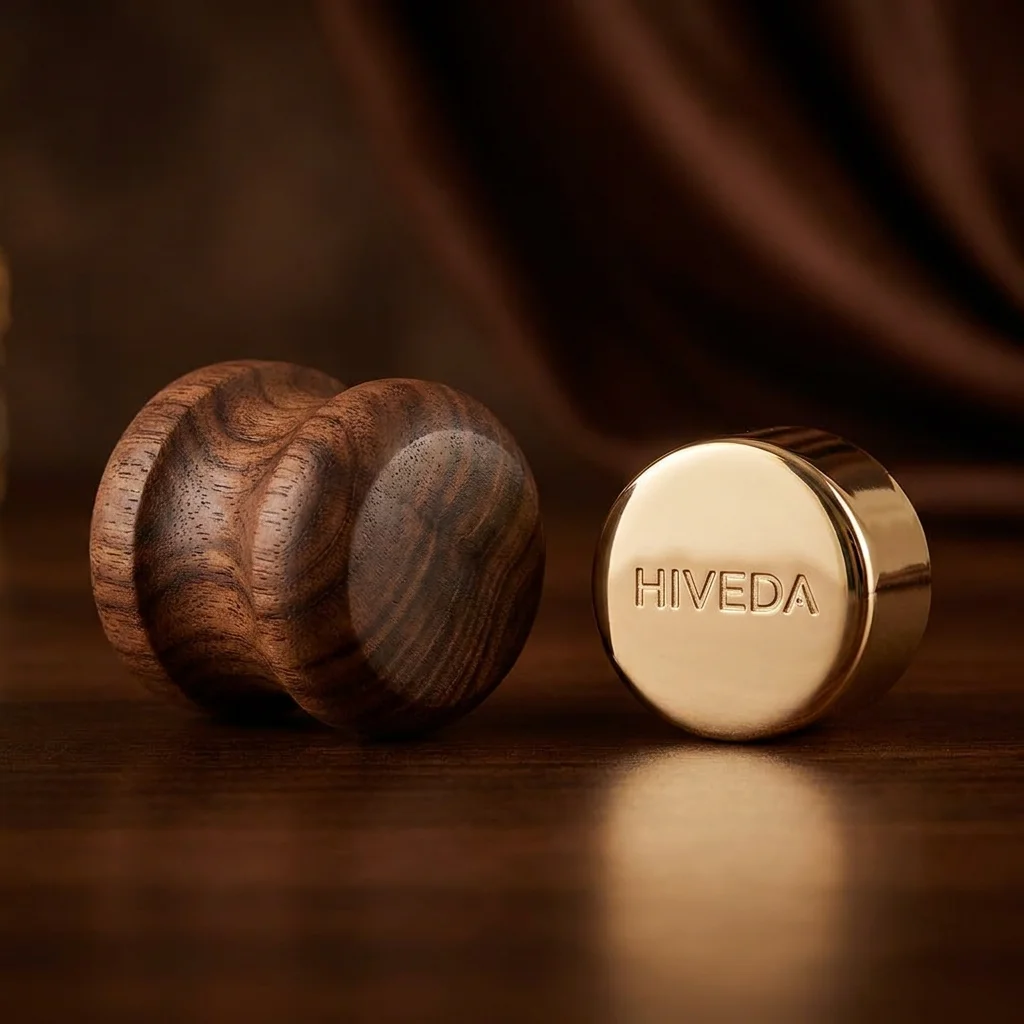
Caps & closures
Plastic, metal, wood and cutstomised designs
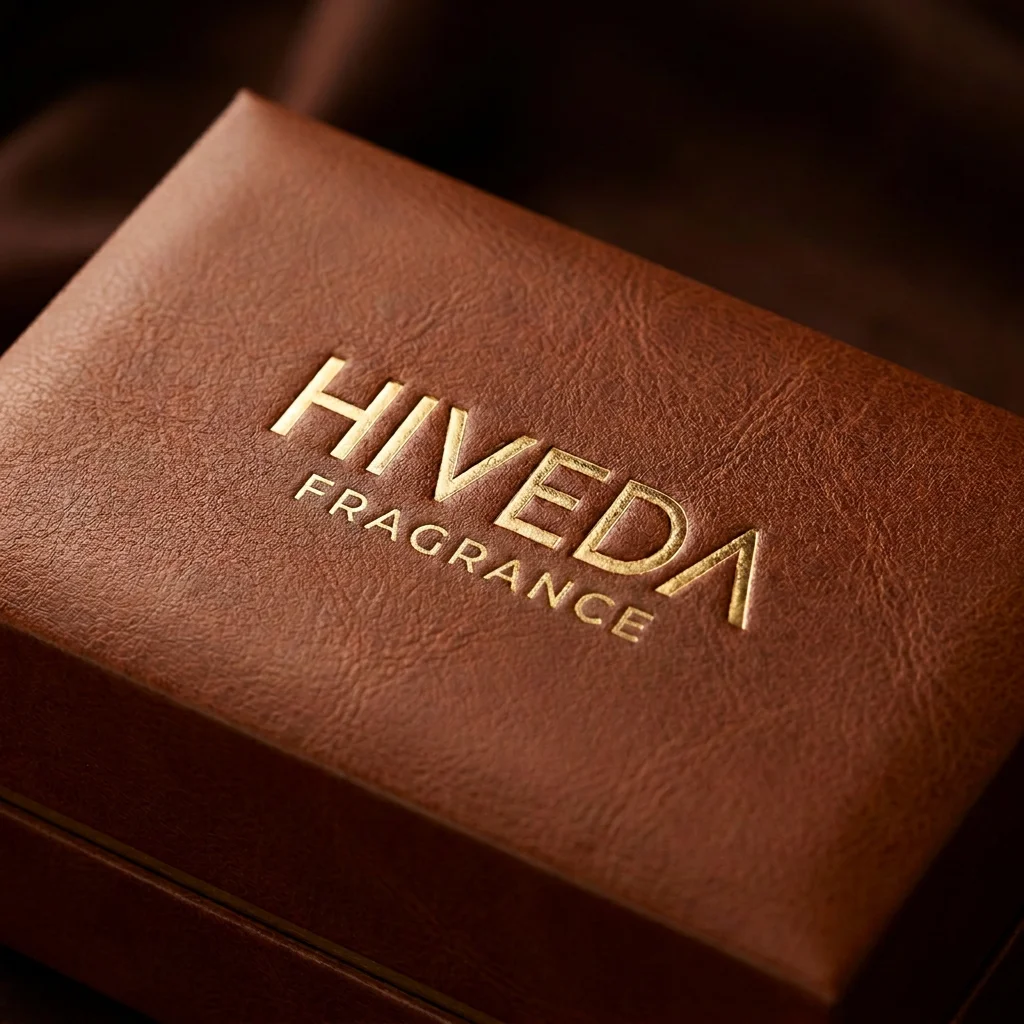
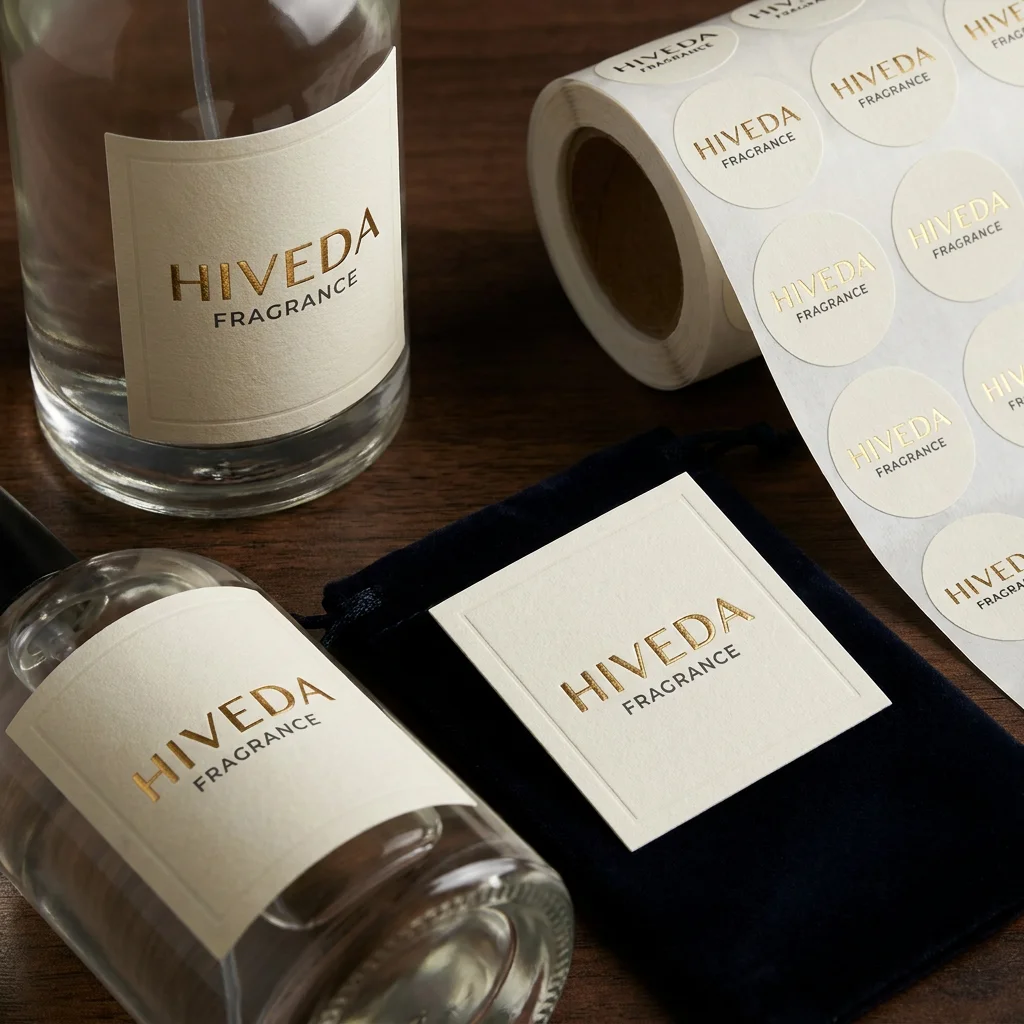
Decoration
Spraying, printing, hot stamping and more
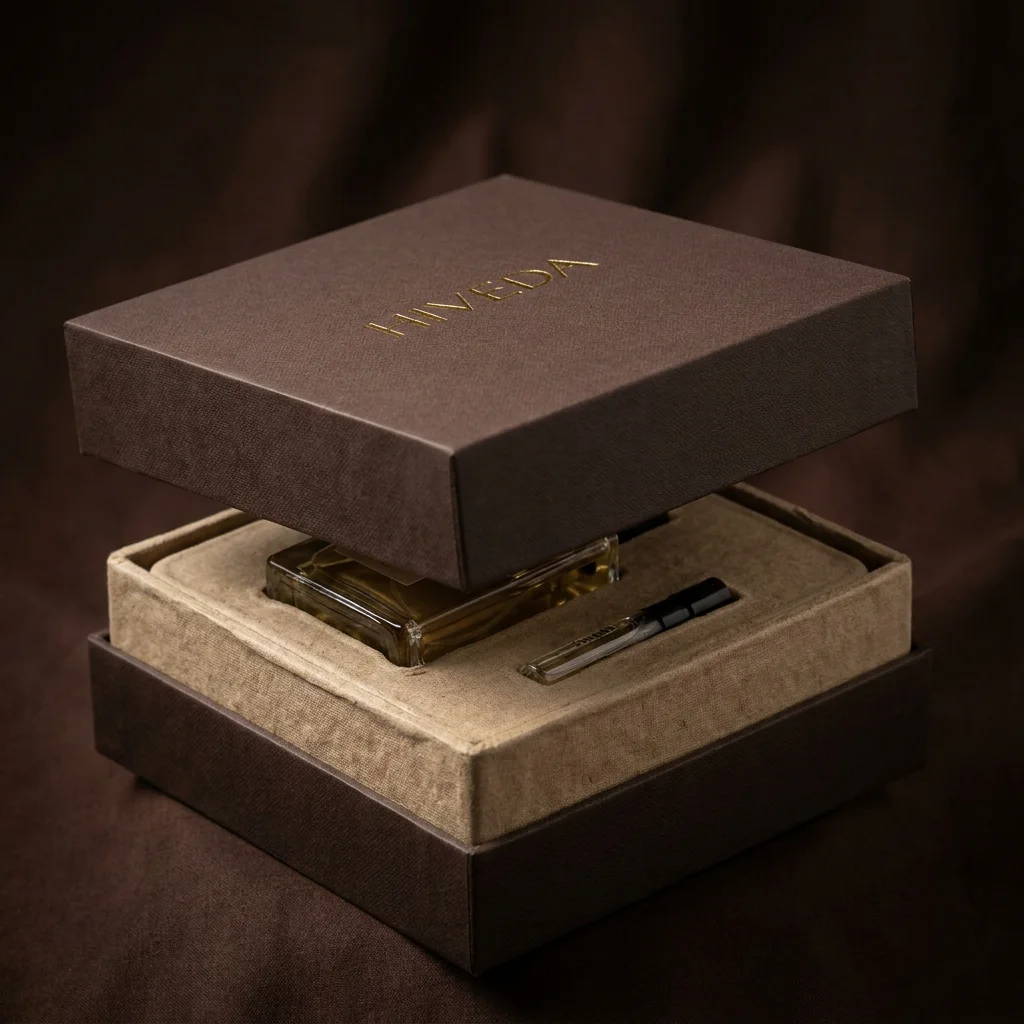
boxes & inserts
Structures,materials and printing process
Filling & aSSEMBLY
Compatible components and stable supply
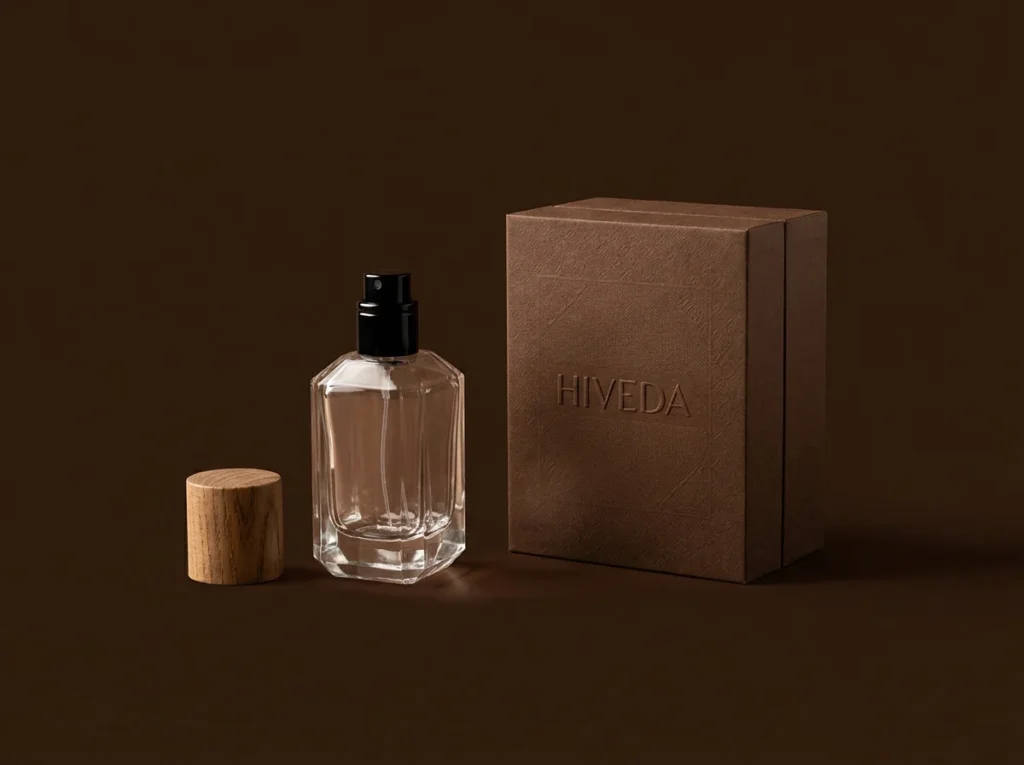
hiveda:
We Help Build the Packaging
From design to production, we coordinate the packaging development and support the key information you may need for PPWR preparation.
- Packaging design
- Component sourcing
- Supplier coordination
- Material information
- Production
- Quality control
- Testing coordination
- Packaging data organisation
- Export support
brand/responsible economic operator:
You Complete the Market Compliance Process
As the responsible economic operator, you retain the legal obligations for placing the packaging on the EU markert under PPWR.
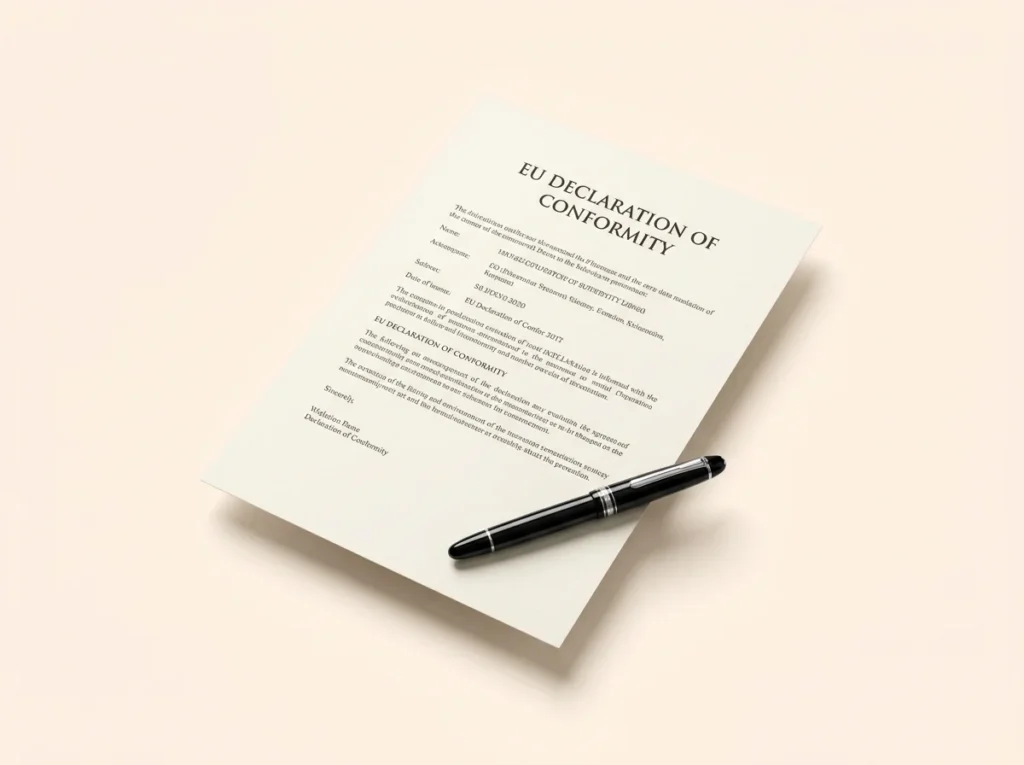
- Final conformity assessment
- Technical documentation
- EU declaration of Conformity
- EPR obligations
- Market registrations
- Final legal responsibility
FAQ
Frequently Asked Questions
Practical answers for perfume, reed diffuser and scented candle brands preparing their packaging for the EU market.
What is PPWR, and when does it apply?
The Packaging and Packaging Waste Regulation (PPWR), Regulation (EU) 2025/40, establishes EU-wide requirements for packaging placed on the European market. It covers areas such as packaging minimisation, recyclability, recycled plastic content, labelling and technical documentation. PPWR began applying on 12 August 2026, but not all requirements take effect at once. Major requirements relating to recyclability and recycled plastic content are scheduled to apply from 2030, subject to the specific implementation timelines set out in the Regulation. For fragrance brands, this means packaging decisions made today should take both current obligations and upcoming requirements into account.
Does PPWR apply to perfume and reed diffuser packaging?
Yes. Perfume and reed diffuser packaging placed on the EU market generally falls within the scope of PPWR. For perfume projects, relevant components may include glass bottles, pumps, collars, caps, labels, folding cartons, inserts and transport packaging. Reed diffuser projects require a similar review of their bottle, closure, label, presentation box, protective materials and shipping packaging. The classification of individual components depends on their function and the final product configuration. HIVEDA helps brands review the complete packaging system rather than focusing on individual components in isolation.
Are glass and ceramic candle jars considered packaging under PPWR?
Under the European Commission’s 2026 guidance, filled candle containers, including glass vessels and ceramic bowls, are not considered packaging under PPWR because they form part of the candle product. However, the packaging surrounding the candle still needs to be assessed. This may include the presentation box, protective inserts, wrapping materials and transport cartons. HIVEDA therefore approaches candle projects differently from perfume and reed diffuser packaging, distinguishing the candle vessel from the packaging used to protect, present and transport the finished product.
What information must packaging suppliers provide under PPWR?
Article 16 of PPWR requires packaging and packaging-material suppliers to provide manufacturers with the information and documentation necessary to demonstrate conformity with the applicable requirements. Depending on the packaging configuration, this may include material specifications, component information, technical drawings, relevant declarations and supporting test documentation. As an integrated packaging development partner, HIVEDA can coordinate information from the different suppliers involved in a project and help organise the relevant documents within the agreed project scope.
What is PPWR technical documentation?
PPWR technical documentation provides the information needed to assess whether a packaging configuration meets the applicable regulatory requirements. Under Annex VII, it may include a description of the packaging and its intended use, design and manufacturing drawings, component materials, applicable technical specifications, relevant assessments and test reports. HIVEDA can help collect and organise supporting packaging information throughout development, including component specifications, material information, drawings and relevant supplier records. This helps the responsible manufacturer prepare the required technical documentation for the final packaging configuration.
Who is responsible for the EU Declaration of Conformity?
Under PPWR, the manufacturer, as legally defined by the Regulation, is responsible for the conformity assessment and for drawing up the EU Declaration of Conformity once compliance with the applicable requirements has been demonstrated. For private-label fragrance projects, a brand that has packaging designed or manufactured under its own name or trademark may itself be considered the manufacturer. The allocation of obligations depends on the relevant economic operators and the circumstances of the project. HIVEDA can provide and coordinate supporting packaging information but does not replace the responsible economic operator’s legal obligations.
Can HIVEDA provide a PPWR compliance certificate?
There is no single generic PPWR certificate that automatically establishes compliance for every packaging configuration. Compliance depends on the finished packaging, the applicable requirements and the conformity assessment undertaken by the responsible manufacturer. Relevant test reports and supplier declarations may form part of the supporting evidence. HIVEDA can help coordinate packaging specifications, material information, technical drawings, supplier documentation and relevant testing where included in the project scope. The final conformity assessment and EU Declaration of Conformity remain the responsibility of the legally designated manufacturer.
Can luxury packaging still use spraying, hot stamping and other decorative finishes under PPWR?
Yes. PPWR does not impose a blanket ban on luxury packaging finishes such as spraying, hot stamping, metallisation or decorative printing. However, their potential impact on packaging recyclability must be considered. Decorative coatings, inks, adhesives and combinations of different materials can influence how packaging is sorted and recycled. PPWR’s Design for Recycling framework considers these factors, with more detailed criteria being introduced through subsequent EU legislation. HIVEDA helps fragrance brands balance premium aesthetics with practical packaging requirements. By reviewing decorative finishes, material combinations and component construction during development, we can explore suitable design alternatives without unnecessarily compromising brand identity. Our approach is to preserve what makes your packaging distinctive while reducing unnecessary complexity and preparing for evolving EU packaging requirements.